Introduction
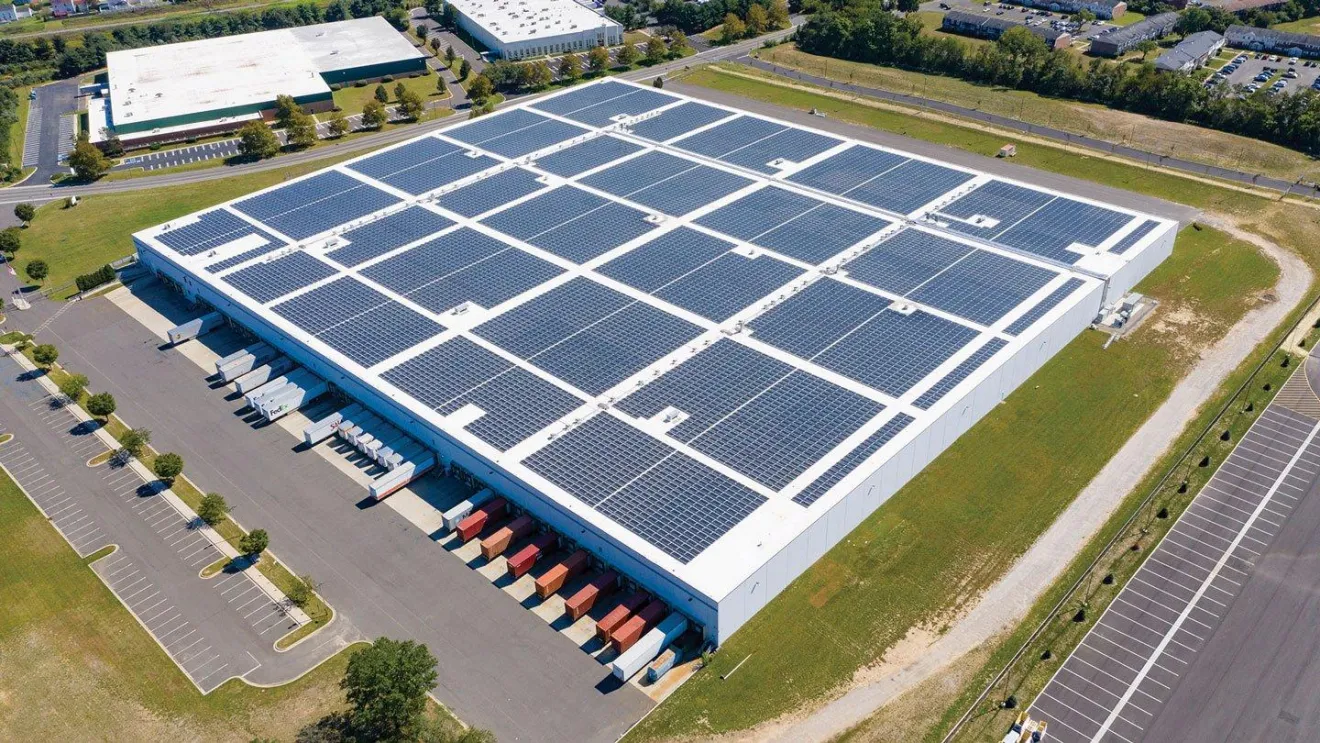
The global solar industry is entering a new phase of growth driven by increasing energy demand, declining photovoltaic module costs, and government commitments to renewable energy. According to industry forecasts, solar PV will remain one of the fastest-growing power generation technologies over the next decade.
As system capacities continue to increase, the reliability and safety of DC-side electrical infrastructure have become critical factors affecting project performance, operational continuity, and return on investment. While significant attention is often placed on solar modules, inverters, and energy storage systems, DC protection components represent an equally important layer of system security.
Understanding DC-Side Risks in Solar Installations
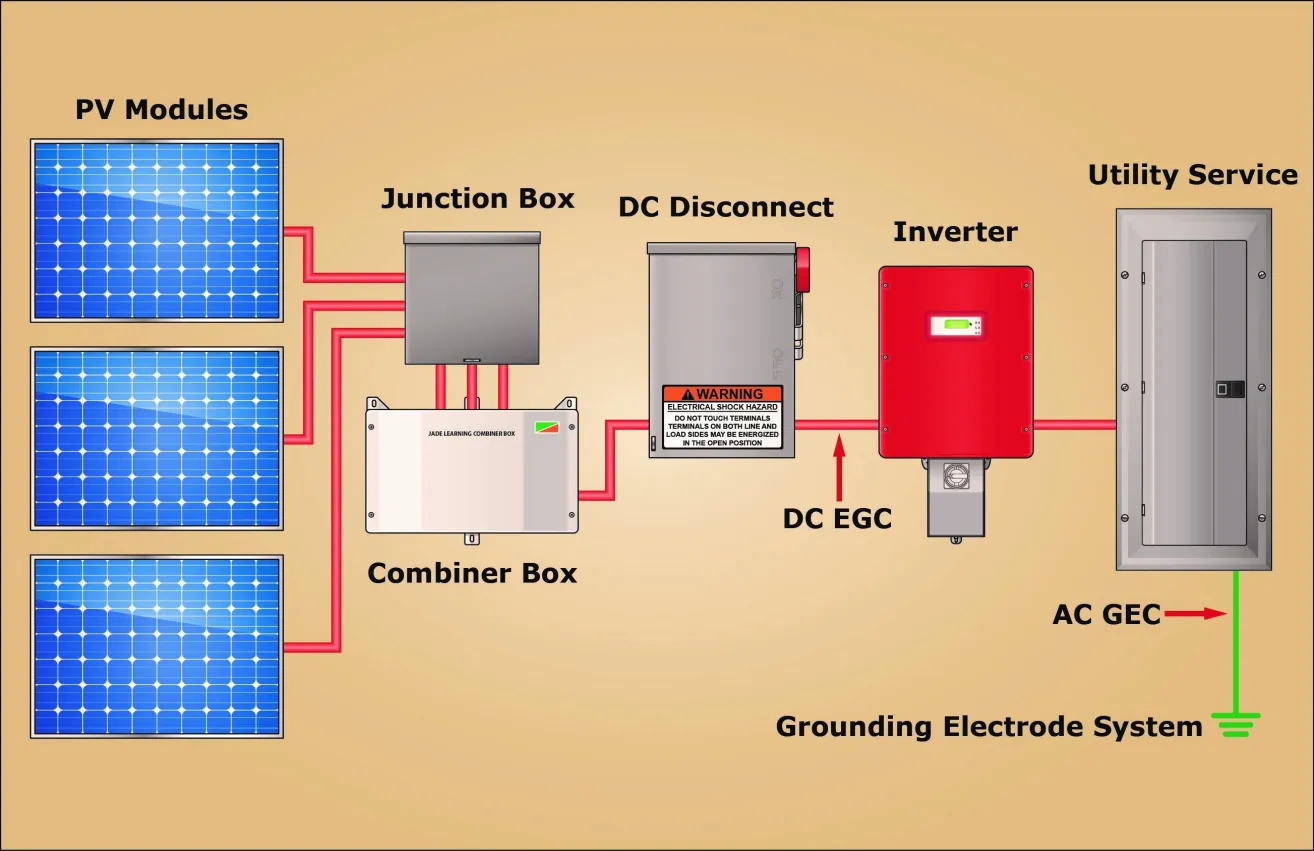
Unlike conventional AC systems, photovoltaic arrays generate continuous direct current whenever exposed to sunlight. This unique characteristic creates several engineering challenges:
Overcurrent Events
When multiple PV strings are connected in parallel, fault currents from healthy strings can feed into a faulty string, potentially causing conductor overheating, equipment damage, and fire hazards.
DC Arc Faults
DC arcs are inherently more difficult to extinguish than AC arcs because there is no natural current zero-crossing point. Inadequate protection or isolation can result in sustained arcing and severe equipment damage.
Lightning and Surge Impacts
Solar installations are frequently deployed in open environments where lightning-induced surges can travel through DC cabling and damage sensitive inverter electronics.
Environmental Stress
PV systems must operate continuously under extreme temperatures, humidity, dust, UV exposure, and other harsh environmental conditions, placing long-term stress on protection devices.
Why High-Quality DC Protection Matters
A comprehensive DC protection strategy helps reduce operational risks while improving overall system availability.
Key benefits include:
- Enhanced personnel safety during maintenance and emergency shutdown procedures
- Improved protection for inverters and downstream equipment
- Reduced risk of fire caused by electrical faults
- Lower maintenance costs over the system lifecycle
- Increased system uptime and energy yield
- Compliance with international electrical standards
For large commercial and utility-scale projects, even a single protection failure can result in significant energy production losses and costly downtime.
The Role of PV Combiner Boxes
PV Combiner Boxes serve as a central point for collecting multiple string outputs before connection to the inverter.
A properly designed combiner box provides:
- String-level fuse protection
- DC circuit isolation
- Surge protection
- Simplified cable management
- Easier troubleshooting and maintenance
- Improved installation efficiency
As solar projects continue to scale, intelligent and reliable combiner box designs are becoming increasingly important for maximizing operational performance.
Key Components of a Reliable DC Protection System
DC Circuit Breakers
DC circuit breakers protect conductors and equipment from overloads and short circuits while providing reliable interruption under high-voltage DC conditions.
DC Isolator Switches
Isolator switches allow safe disconnection of PV arrays during maintenance, inspection, and emergency situations.
DC Surge Protection Devices (SPD)
SPDs provide critical protection against lightning-induced and switching surges, helping safeguard expensive inverter and monitoring equipment.
PV Fuses and Fuse Holders
PV fuses offer fast and dependable overcurrent protection at the string level, reducing the risk of fault propagation.
Solar Connectors
High-quality connectors ensure stable electrical performance, low contact resistance, and long-term reliability in outdoor environments.
Industry Trends Driving Demand
Several trends are increasing the demand for advanced DC protection technologies:
- Higher system voltages up to 1500V DC
- Larger utility-scale solar farms
- Expansion of hybrid solar and battery storage systems
- Increased focus on fire safety standards
- Growing adoption of smart monitoring and predictive maintenance
As these trends continue, system designers and EPC contractors are placing greater emphasis on selecting reliable DC protection equipment capable of supporting long-term project performance.
SUNTRAY’s Commitment to Solar Safety
SUNTRAY specializes in manufacturing DC protection products designed specifically for photovoltaic applications, including:
- PV Combiner Boxes
- DC Circuit Breakers
- DC Isolator Switches
- DC Surge Protection Devices
- PV Fuse Holders and Fuses
- Solar Connectors
Our products are developed to meet the demanding requirements of modern solar installations and are subjected to strict quality control procedures to ensure dependable performance in diverse operating environments.
Conclusion
As the solar industry continues to evolve, system reliability will become increasingly dependent on the quality of supporting electrical infrastructure. Effective DC protection is no longer simply a compliance requirement—it is a fundamental element of safe, efficient, and profitable solar power generation.
By investing in robust DC protection solutions, project developers, EPC contractors, and system owners can significantly improve system safety, maximize energy production, and protect long-term project value.